There could be various types of stress for people ranging from getting stuck in traffic, being in a heated argument, meeting deadlines, to persistent stress such as unemployment, career stress, mental harassment, physical abuse or family conflicts. Almost all individuals have some or the other kinds of stress.
Long term stress can affect the calories expenditure and utilization of nutrients in various ways.
It increases the body’s metabolic speed and fastens the use and expenditure of many nutrients.
Since the usage is increased so intake is also required to be optimal, otherwise deficiencies may occur. There are surveys that show there is depletion of vital minerals such as calcium, iron, magnesium and zinc.
Weight Gain And Stress
Short Term Stress
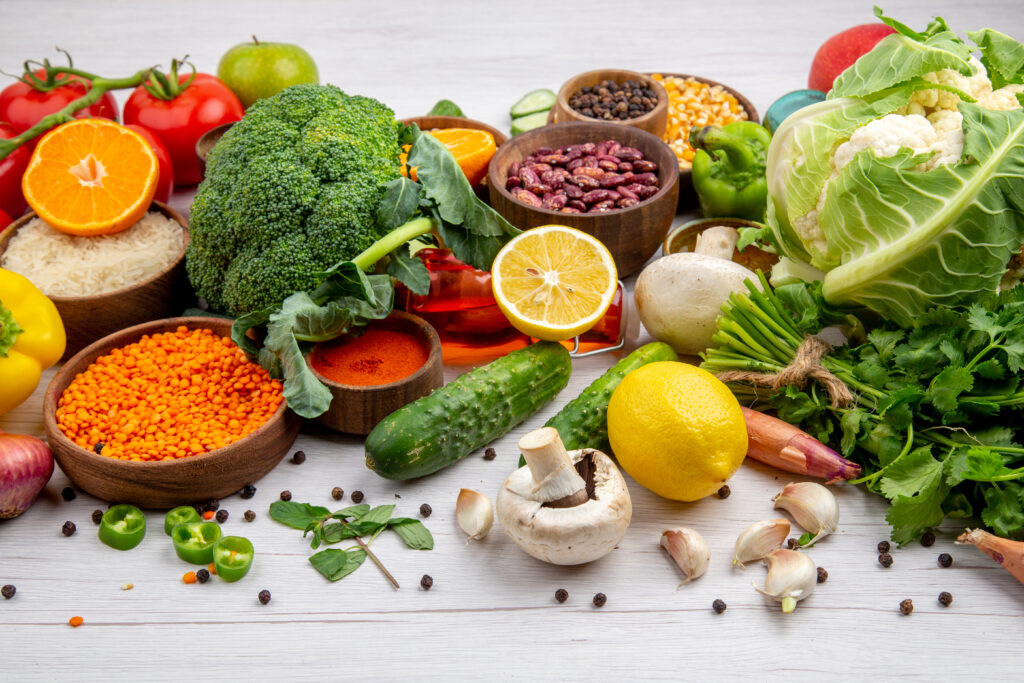
Have healthy diet
According to surveys many people rate their stress level as 4 or more on a 5-point scale.
Stress and weight gain are interrelated, stress causes weight gain and when you gain weight it again gives you stress so it’s a vicious cycle which doesn’t stop only.
There are types of stress that are short term stress and long term stress.
Short term stress causes a decrease in your appetite. Stress causes your body to release adrenaline hormones, it helps the body’s fight or flight response and that stops your hunger.
Whereas, when the stress is for long term and the stress is persistent your adrenal glands release cortisol hormone which increases your appetite it will induce stress eating and make you eat more.
Because of stress eating people often select foods that are high in sugar, salt, fat and processed foods.
Conclusion:
Stress eating destroys your weight loss target and makes you lose the motivation for weight loss. Stress could have a different effect on your eating habits, it could be overeating or even becoming anorexic.